NorthEast Arnhem Land
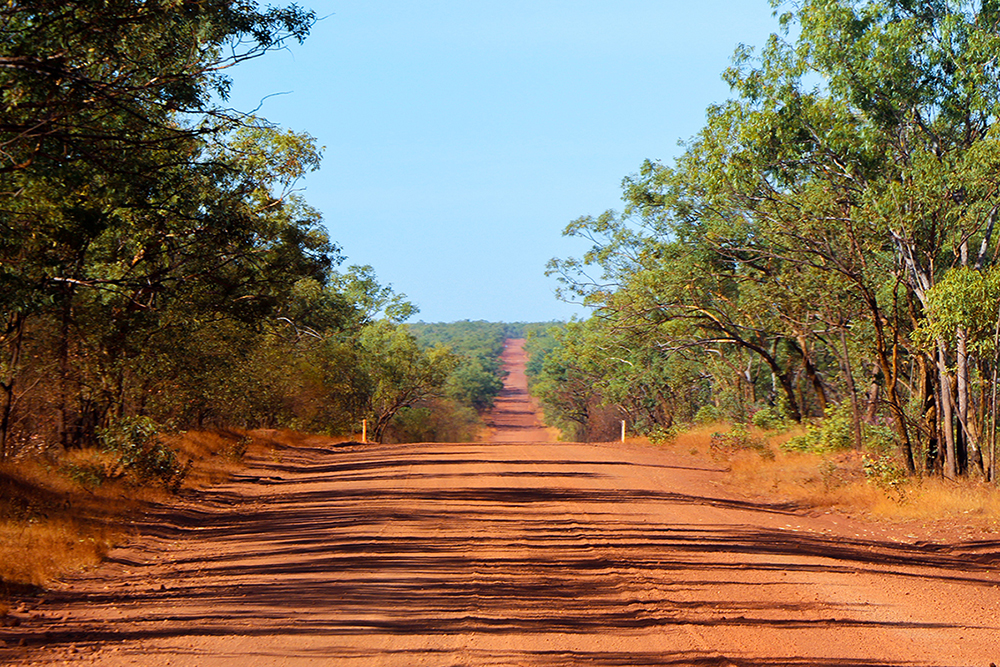
The north-east Arnhem Land region is in the north-eastern corner of the Northern Territory, approximately 1,050 kilometres from Darwin.
This vast expanse of nearly 100,000 square kilometres of Aboriginal-owned land is one of the last strongholds in Australia of a vibrant traditional Aboriginal culture.
Image courtesy of East Arnhem Land.
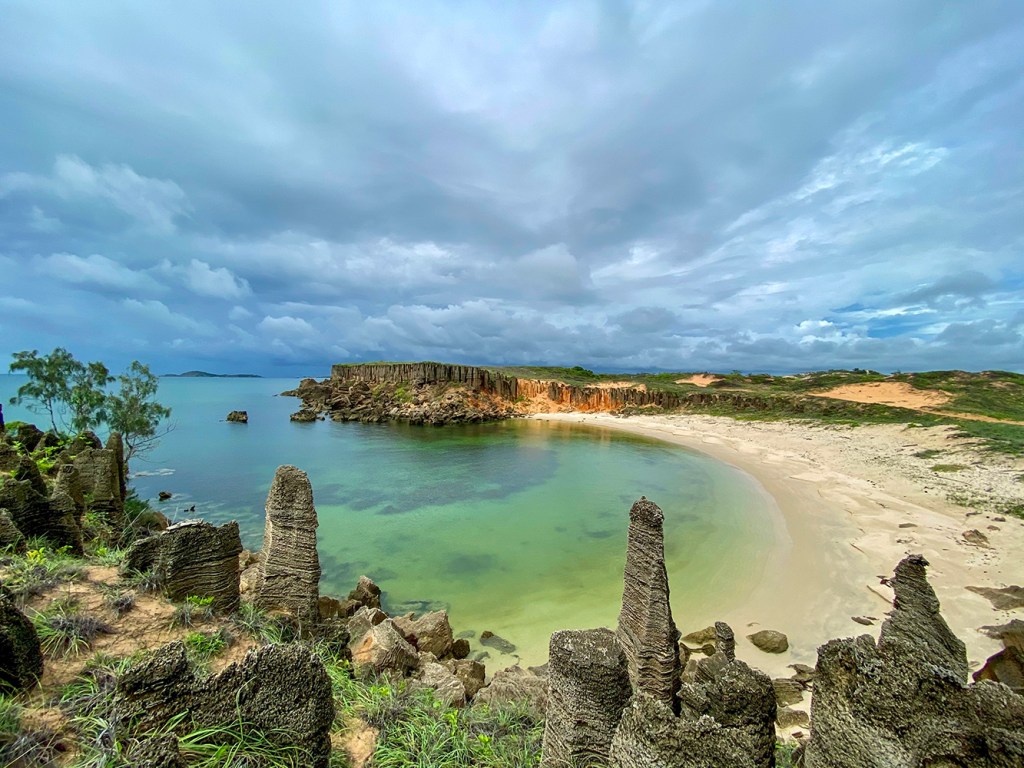
Since 2018, Sea Shepherd and the Dhimurru Aboriginal Corporation of Northeast Arnhem Land have joined forces each October to clean Djulpan, a sacred and remote 14km stretch of beach in the Northern Territory that is an important nesting ground for turtles.
Image courtesy of East Arnhem Land.
The area on the western side of the Gulf of Carpentaria accumulates plastic pollution at an alarming rate. Along the coast, trash is swept onto these remote beaches which increases towards the end of the SE trade wind season.
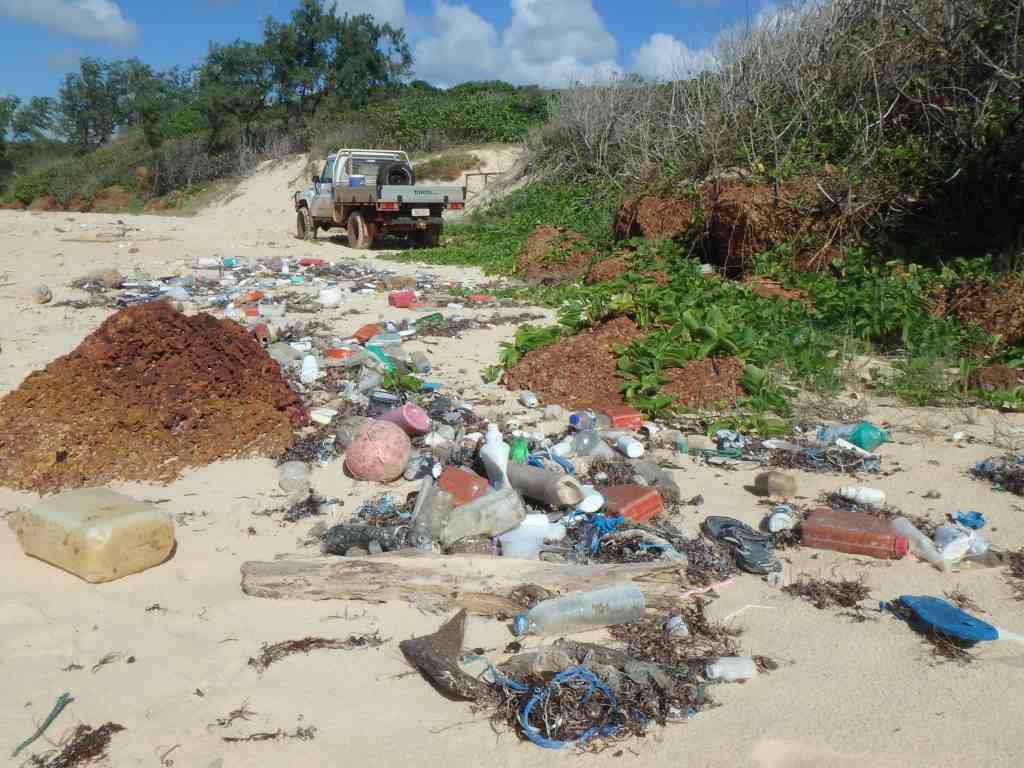
In 2018, over 7 tonnes of marine plastic pollution was removed by ten volunteers from Sea Shepherd Australia and Indigenous Rangers from the Dhimurru Aboriginal Corporation in the inaugural two-week-long collaboration at Djulpan Beach in the Northern Territory.
Around 4.5 tonnes of the debris removed were consumer items including in many cases, the plastic items were so degraded that when volunteers went to pick them up, they crumbled into plastic dust. The remaining 2.5 tonnes was made up of 72 different types of discarded fishing nets or ghost nets, some of which contained turtle bones.
Although marine debris can be found in all areas of the marine environment in the Australian EEZ (see Box MAR4), northern Australia is especially vulnerable because of the proximity of intensive fishing operations (including international operations) to the north of Australia, regional difficulties in surveillance and enforcement, and ocean circulation and wind patterns that appear to promote accumulation of floating debris (Kiessling 2003).
State of The Environment – Australia, 2016

Watch Sea Shepherd Australia’s documentary ‘Untrashing Djulpan’ which details our inaugural collaboration with the Dhimurru indigenous rangers of North-East Arnhem Land, Northern Territory filmed during the 2018 remote marine debris clean-up.
Key components of the marine environment affected by marine debris

Numerous marine species are killed and maimed through entanglement in marine debris:
- Seabirds
- Turtles
- Whales
- Dolphins
- Dugongs
- Fish
- Crabs and crocodiles
Six of the seven species of marine turtles which are all listed as ‘Vulnerable’ or ‘Endangered’ under the Environmental Protection and Biodiversity Conservation (EPBC) Act can routinely be found on this stretch of the Gulf. Djulpan is fortunate to host marine turtles during their nesting season along the Arnhem Land coast, but this is also when they are most susceptible to entanglement from marine debris.
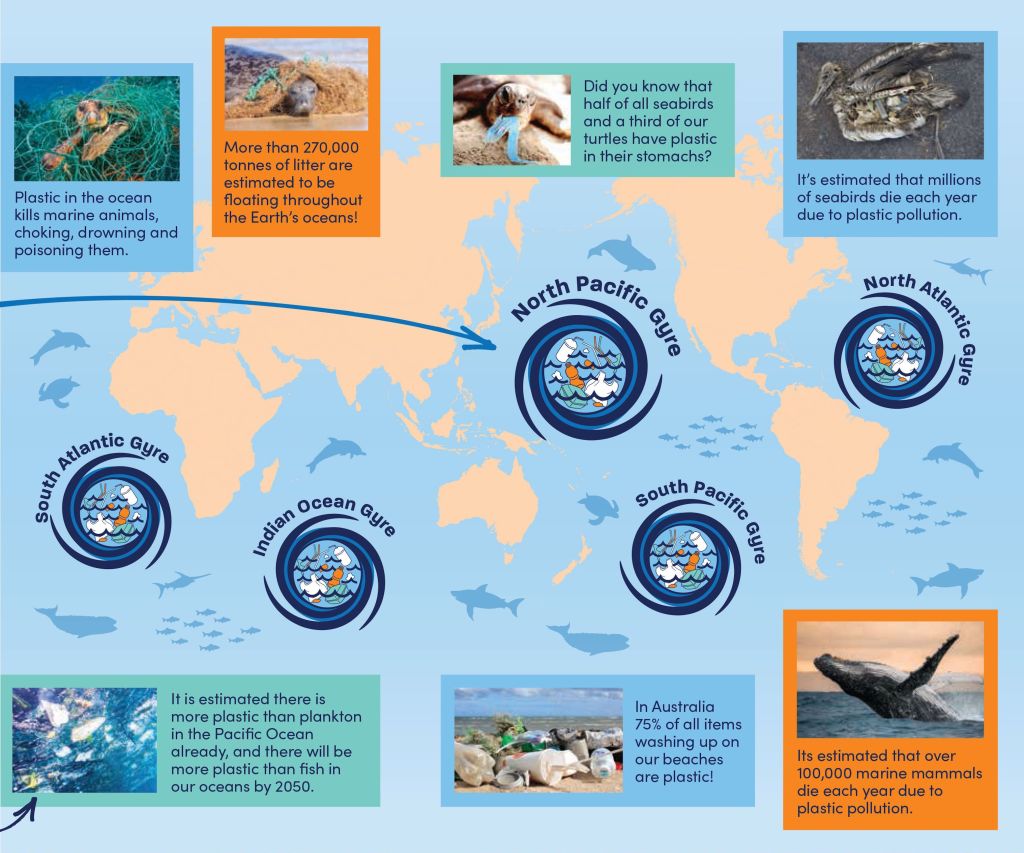
Marine debris: a growing global issue
Marine plastic pollution has created a major environmental problem and without action it is estimated that the plastic in our ocean will outweigh our fish by 2050.
References
https://landcarent.org.au/groups/arnhem-coast-clean-up/
https://www.seashepherd.org.au/arnhem-beach-cleanups/
https://www.eastarnhemland.com.au/
https://soe.environment.gov.au/theme/marine-environment/topic/2016/marine-debris
https://www.eastarnhemland.com.au/
https://www.seashepherd.org.au/untrashing-djulpan-film/
https://www.marineconservation.org.au/
I pay my respect to all First Nations peoples and to elders past, present and emerging.
I pay particular appreciation to the Yolngu people of East Arnhem Land; whose lands I am privileged to live and learn on.
 Gyre ReFUSE